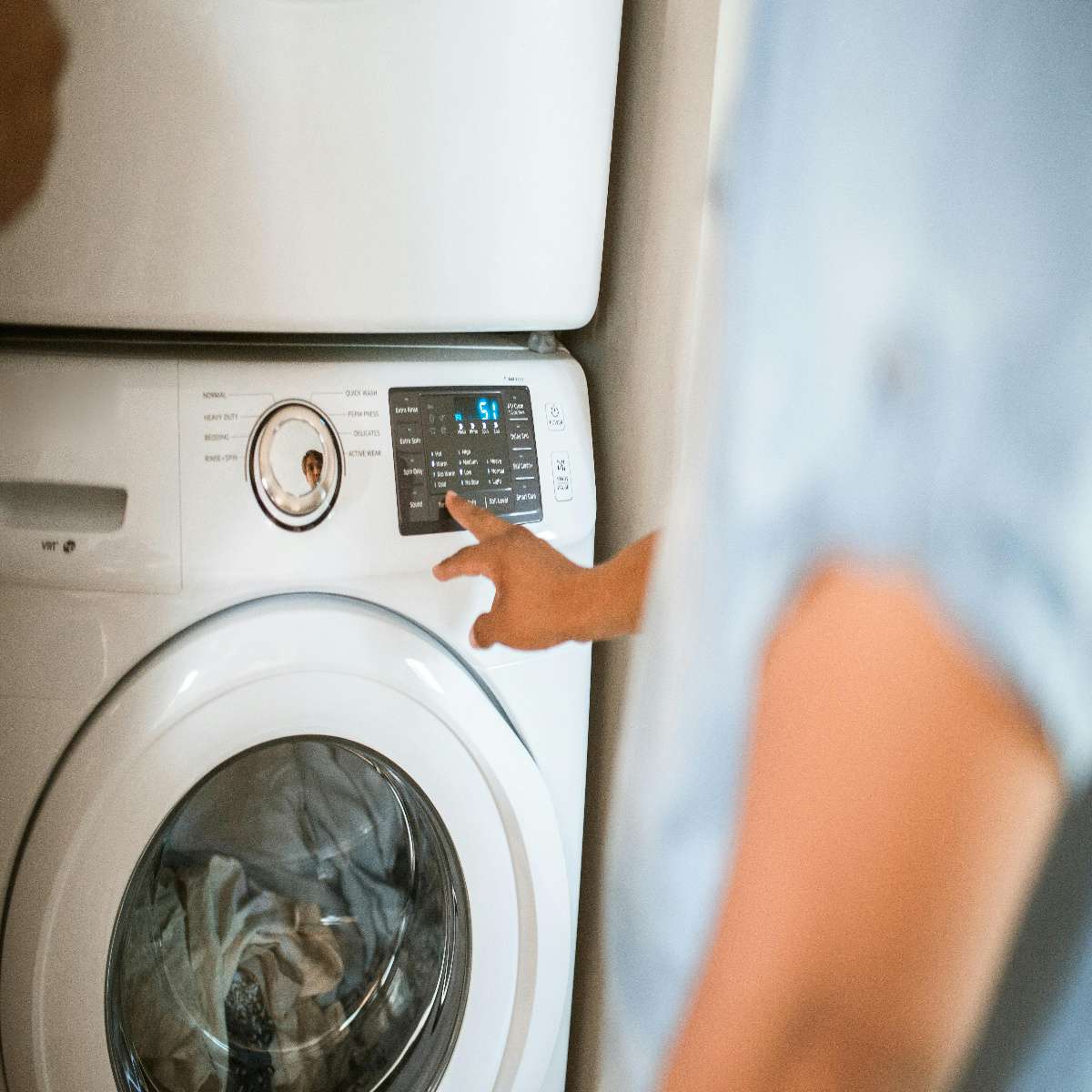

How does rinse work in a washing machine?
Let’s break it down, step by step, because machines aren’t magic—they follow a pretty straightforward sequence. First, after the wash, the drain pump kicks in, sucking out that soapy soup through a hose. You might hear a gentle whir or gurgle; that’s normal. Then, valves open to let fresh water pour in—usually cold, around 15 to 30 liters depending on your model’s smarts and load size. The drum starts tumbling or pulsing, sloshing water through every crease and pocket. This agitation, maybe 5 to 15 minutes worth, suspends detergent particles and dirt in the water. Finally, it all drains again, often leading into a spin for extraction.
It’s simpler than it sounds, right? But here’s a pause—top-loaders tend to use more water, flooding the tub aggressively, while front-loaders are thriftier, relying on sensors to add just enough. I think that’s where a lot of confusion starts; if your machine’s from an older era, it might guzzle unnecessarily. Front-loads, with their horizontal spin, rinse more efficiently too, pressing water through fabrics under gravity. And temperature? Cold is standard for energy savings and color protection, but some cycles offer warm if you’re battling heavy oils—though, honestly, that’s rarer these days.
The mechanics behind the rinse cycle
Under the hood, it’s all about valves, pumps, and pressure switches. An inlet valve controls water flow; if it’s clogged with mineral buildup, your rinse might come up short—clothes emerge sudsy. The motor reverses direction during agitation, creating that back-and-forth motion. Sensors monitor suds levels; high-efficiency models extend the rinse if they detect excess foam. Perhaps you’re wondering about water quality—hard water can leave spots, making a thorough rinse even more vital. A quick table to compare:
| Feature | Top-Load Rinse | Front-Load Rinse |
|---|---|---|
| Water Volume | High (20-40L) | Low (10-20L) |
| Agitation Style | Aggressive tumble | Gentle pulse |
| Duration | 8-12 min | 5-10 min |
| Energy Use | Higher | Lower |
This efficiency gap explains why front-loads feel snappier. For a closer look at variations across models, our post on types of rinse cycles breaks it down by brand.
Rinse in washing machine: Common types and when to use them
Not all rinses are created equal—your machine likely offers a few flavors, each tuned for different loads. The standard rinse is your everyday go-to: one solid flush after wash, paired with spin. It’s quick, water-wise, perfect for jeans or cotton tees. But then there’s extra rinse, which doubles up—ideal if you’ve overseasoned with detergent or washing baby clothes. Skin irritation from residue? That’s often the culprit, and one more cycle flushes it out.
Rinse and spin stands alone, skipping wash entirely. Hand-washed delicates? Toss them in here for a water extraction without re-soiling. Or that forgotten wet pile in the hamper—rinse and spin revives it sans musty funk. Rinse hold pauses mid-water, letting you delay spin until you’re ready; handy for wrinkles on silks. I suppose it depends on your routine—mine involves extra rinse for allergy-prone family members, even if it adds a few minutes.
Extra rinse in washing machine for sensitive loads
For folks with eczema or using eco-detergents that suds forever, extra rinse isn’t optional. It recirculates water sometimes, spraying from above for deep penetration. Bulky items like comforters benefit too—standard might leave soap pockets. A pro tip: pair it with liquid over powder to cut suds from the start. Here’s when to pick each:
- Standard: Daily wear, low detergent use. Saves time.
- Extra: Allergies, babies, HE soap overloads. Peace of mind.
- Rinse & Spin: Pre-washed items, quick refresh. 15-25 minutes total.
- Rinse Hold: Delay spin for busy days. Prevents creases.
Confused on rinse versus pure spin? Our comparison in rinse vs spin cycles clarifies the differences nicely.
Troubleshooting rinse problems in your washing machine
Soapy clothes staring back at you? Or the cycle looping endlessly on rinse? These glitches hit harder than you’d think. Start simple: too much detergent. Modern HE machines foam less, so overdosing fools sensors into extra rinses—or worse, incomplete ones. Uneven loads unbalance the drum, halting progress. Redistribute, and retry.
If water won’t fill, blame inlet screens clogged with sediment. Unscrew hoses, clean ’em—takes 10 minutes. Drain issues? Lint filters or pumps gum up; fish out debris. Stuck cycles often trace to faulty pressure switches sensing fake water levels. I’ve fixed a few by jiggling wires, but persistent ones scream for a tech. Hard water exacerbates everything, leaving films—consider a softener.
Steps to diagnose:
- Run an empty rinse & spin. Suds? Detergent residue—clean tub with vinegar.
- Check error codes: E1 might mean no fill, F21 drain block.
- Inspect hoses for kinks or freezes (winter trap).
- Test water pressure; low flow starves the cycle.
- Load balance: Don’t cram.
For full fixes, head to rinse issues in washing machine. Sometimes it’s quirky, like a lid switch on top-loaders fooling the system.
Tips to optimize your rinse cycle
Optimization starts with less is more—measure detergent precisely; pods shine here. Cold water rinses set colors, slash bills. Balance loads loosely; overcrowding traps suds. Pre-treat stains to lighten wash burden, easing rinse work.
Eco-tip: Skip fabric softener sheets; they coat unevenly, demanding extra rinses. For allergies, hypoallergenic liquids plus extra cycle. Machines age—clean monthly with hot cycles and affresh tabs. Perhaps counterintuitive, but running rinse & spin weekly flushes buildup. Relatable? My old Whirlpool thanks me for it.
- Detergent: Half scoop for mediums.
- Water: Cold default, warm for grease.
- Load: 3/4 full max.
- Clean: Vinegar quarterly.
Rinse cycles across brands and models
Whirlpool’s intuitive dials offer rinse-plus options galore. LG’s TurboWash sensors auto-extra rinse on suds detect. Samsung EcoBubble integrates rinse efficiency with bubbles. GE top-loaders guzzle but power-rinse deeply. Front-loads like Bosch whisper-quiet, HE-optimized.
| Brand | Rinse Strength | Unique Feature |
|---|---|---|
| Whirlpool | Deep Clean | Affresh Cycle |
| LG | Allergy+ | TrueBalance Anti-Vibe |
| Samsung | EcoBubble | Auto Dispense |
Check manuals; variances abound. Dive into specifics via types of rinse cycles.
FAQs on rinse in washing machine
Why are my clothes soapy after rinse? Over-detergent or clogged filter. Clean and reduce.
Does rinse use hot water? Rarely—cold standard, but selectable.
Rinse & spin only? Yes, for pre-washed refresh.
Extra rinse worth it? For sensitivities, absolutely.
And more—your manual holds keys.
Mastering rinse in washing machine transforms laundry from chore to breeze. Suds-free, soft clothes await with these tweaks. Explore clusters for depths, and happy washing.