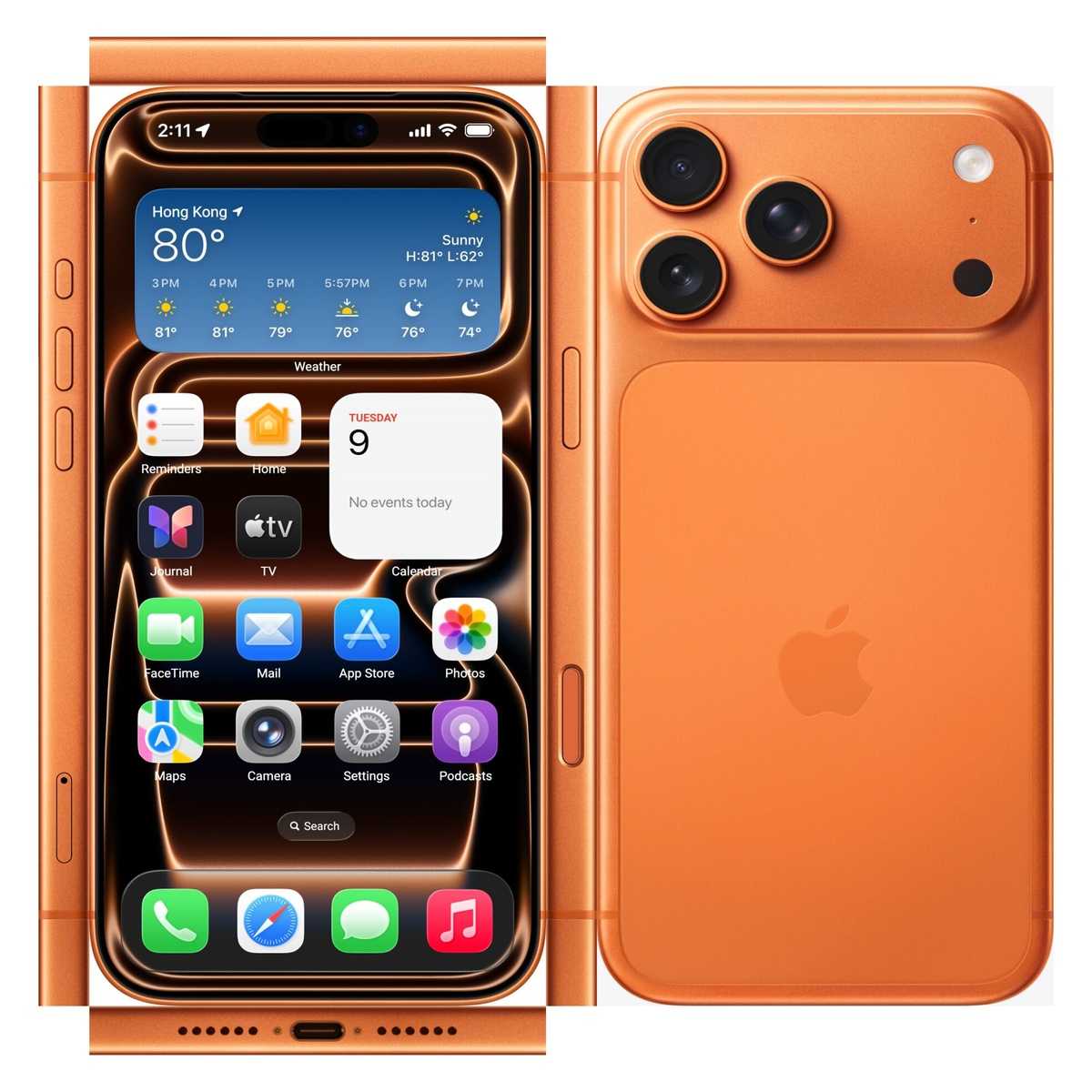

The Apple iPhone 17 Pro Max is the kind of phone people buy when they’re done compromising. Not because it’s “the best” in a vague, marketing way, but because it’s the iPhone that tries to do everything at once: big-screen comfort, long battery life, and a camera system that’s genuinely built for reach. Apple’s own messaging leans hard into that, especially the new telephoto story and the battery claims, and—well—this is where it gets interesting.
This is a practical review. Less “unboxing theater,” more “what happens after two weeks of calls, photos, commuting, and a few late-night camera experiments.” I’ll lean on official specs where they help (because numbers do matter), but I’ll also point out where life doesn’t match the neatness of a spec sheet. Sometimes it does. Sometimes it really doesn’t.
Apple iPhone 17 Pro Max: the short verdict
If you want the longest zoom reach Apple has ever put into an iPhone and you also care about having a big, bright display that’s comfortable for real work, the iPhone 17 Pro Max makes a strong case. Apple positions it around an “ultimate pro camera system,” the A19 Pro, and what it calls breakthrough battery life, and those themes are exactly where the phone stands out day to day.
That said, it’s also the phone that makes you notice trade-offs more sharply. The size can be delightful for photos and miserable for pockets. The camera system can feel almost “too capable” if all you want is quick, clean shots with zero thought. It’s a power-user phone… but people buy it for ordinary reasons, too, like “I’m traveling next month and I don’t want my battery dying at 5 p.m.”
Design and display (what you notice daily)
The Pro Max experience is still very much about scale. The larger display makes everything calmer: maps are easier to read, editing feels less cramped, and even basic things like writing emails feel more pleasant. Apple highlights peak outdoor brightness and the general “you can actually see this in sunlight” promise, and that part is very real in the way it behaves outside.
But here’s the slightly contradictory part. The big screen is the reason you buy it, and it’s also the reason you hesitate to use it one-handed. I think most people adapt—some faster than others. If you’re coming from a smaller iPhone, there’s a week where it feels like you’re learning the device all over again, even though it’s still iOS and still familiar.
Performance, thermals, and sustained speed
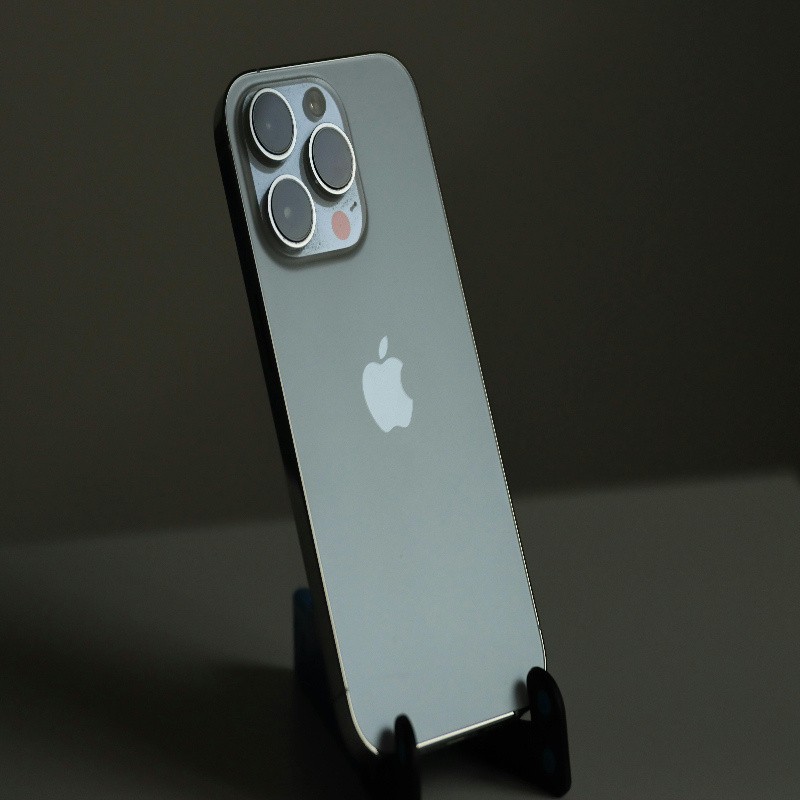
Apple’s iPhone 17 Pro line is built around the A19 Pro, and Apple also calls out a vapor chamber thermal system for sustained performance. That combination matters more than a single benchmark number, because the modern problem isn’t “can it be fast,” it’s “can it stay fast when you’ve been doing heavy things for a while.” Apple is clearly aiming at creators and gamers here.
In real life, what you’ll notice is fewer slowdowns in long sessions: extended camera use, quick edits, and those moments when you’re doing a video call while navigating while uploading something in the background. That’s the unglamorous reality of “power.” It’s not about winning a chart. It’s about never feeling the phone get in your way.
If you care specifically about what happens over time—heat, frame stability, and whether performance stays consistent—this is the kind of detail that belongs in a standalone deep dive. There’s more room to be methodical there without breaking the flow of a general review, so it’s worth reading alongside : battery life and charging tests for iPhone 17 Pro Max.
Cameras: the part people will argue about
Apple leans into a simple headline: all rear cameras are 48MP across the iPhone 17 Pro camera system. That alone hints at what Apple is trying to fix—camera consistency. One of the long-running “pro phone” annoyances is that different lenses behave like different phones. The goal here is that you can move between focal lengths and the photos still feel coherent.
And honestly, consistency is the underrated upgrade. It’s not as exciting as “new lens,” but it’s the difference between trusting your camera and second-guessing it. You don’t want to think about cameras when you’re actually trying to capture something.
Zoom on Apple iPhone 17 Pro Max (4x, 8x, and beyond)
Zoom is the signature story this year. Apple describes the telephoto as next-gen tetraprism with a larger sensor, and it emphasizes an equivalent 200 mm focal length with “up to 8x optical-quality zoom,” calling it the longest iPhone telephoto ever. Apple also frames it as a 16x total optical zoom range, which is a useful way to think about it: you’re not just getting a single long lens, you’re getting a set of practical steps from wide to long.
In practice, the value of long zoom shows up in very normal situations. Travel is the obvious one—architecture details, stage performances, candid street scenes where you can’t (or shouldn’t) step closer. But I also think it’s great for everyday photography: pets, kids, informal portraits, and even quick product shots where the compression makes things look more intentional.
If you’re the type who wants to really understand what “optical-quality” means here, and when the phone is leaning on computation versus true optical reach, it’s worth digging into a dedicated guide. This one is designed to answer those “okay, but what does 8x look like at night?” questions: Apple iPhone 17 Pro Max camera and zoom guide.
Photo quality: what looks better (and what’s just different)
Apple also calls out that photos are 24MP by default, which is part of a broader trend: modern phones try to hit a quality sweet spot without forcing you to choose settings. That’s good. It keeps the camera approachable. But it can also make the phone feel like it’s making decisions “for you,” and that’s where some people get picky.
In bright light, the iPhone tends to feel confident. Detail is strong, colors are usually pleasing, and the dynamic range looks natural without getting too surreal. Indoors, the story can shift depending on your lighting—warm lights can sometimes push skin tones in a direction you either like or you don’t. It’s subjective, and it’s one reason camera reviews are never perfectly universal.
For creators, what matters is repeatability. You want to know that if you shoot a series, your results won’t be all over the place. That’s where the overall camera system design—rather than any one lens—becomes the headline.
Video: where “Pro” actually means something
Even if you’re not a filmmaker, the iPhone 17 Pro Max is built for people who record a lot. And people record a lot now. Work clips, travel, family moments, quick social content, long video calls… it’s constant. Apple’s Pro models historically do well here because they’re stable, predictable, and the results look good without a ton of fuss.
If video is your primary reason to buy the Pro Max, the real question is workflow: can you shoot, edit, and share without friction? That sounds obvious, but it’s the difference between “I have a pro camera” and “I actually use the pro camera.” The best phones make it easy to stay in motion.
Battery life: the quiet reason people choose Pro Max
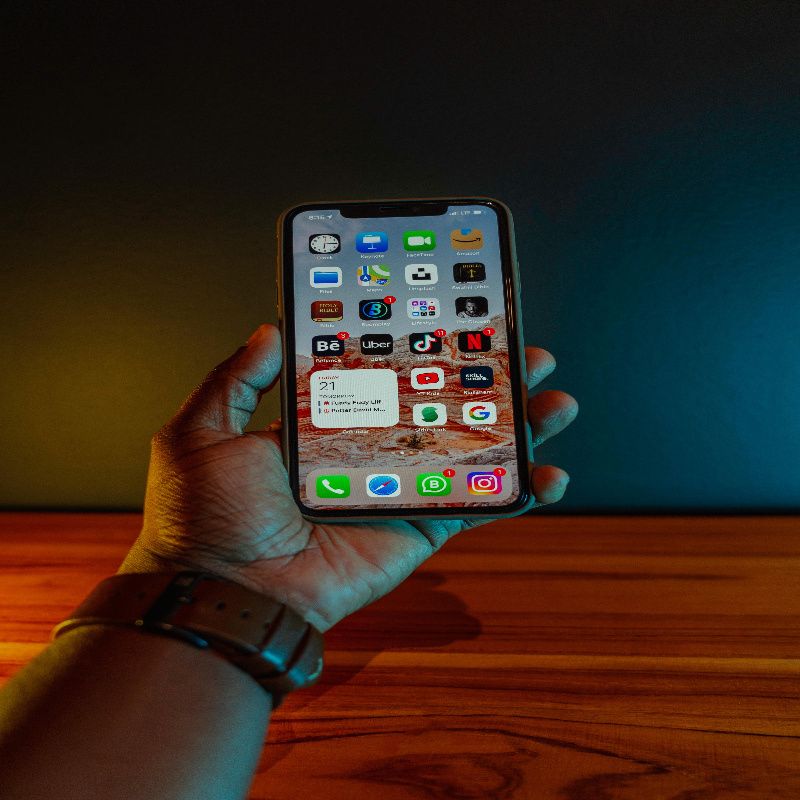
Apple states up to 37 hours of video playback and up to 33 hours of streamed video playback for iPhone 17 Pro Max. Those are lab-style numbers, and they’re useful as a ceiling, not a promise. Still, they tell you what Apple is aiming for: the Pro Max should be the iPhone you stop worrying about.
In real life, battery depends on the messy stuff: signal quality, how much camera you use, whether you’re on 5G all day, and whether your screen brightness lives at “reasonable” or “sunlight survival.” The good news is that Pro Max phones usually absorb heavy days better than smaller models. The less fun news is that if you use the camera a lot—especially zoom, especially video—your battery anxiety can come back. Not because it’s bad, but because camera use is just expensive.
If you want the full breakdown with a transparent test setup (brightness level, network, apps, and charging gear), this companion piece is the place to go: Apple iPhone 17 Pro Max battery life and charging.
Charging: fast, but only if you do it the way Apple means
Apple says iPhone 17 Pro Max is fast-charge capable and can reach up to 50% charge in 20 minutes with a 40W adapter or higher paired with a USB‑C charging cable. It also says up to 50% in 30 minutes with a 30W adapter or higher paired with a MagSafe Charger. That’s the fine print most people skip, and then they wonder why their charging is “fine” but not impressive.
I’ll be honest: charging speed is one of those topics where expectations get weird. People want a miracle, and then they also want the battery to last five years. The truth is you can get quick top-ups, but you need the right adapter and you need to accept that heat management exists for a reason. The practical advice is simple: if fast charging is important, use the recommended wattage, and keep your phone cool while it charges.
Connectivity and everyday “small” upgrades
Apple introduced an Apple-designed N1 wireless networking chip in the iPhone 17 lineup, supporting Wi‑Fi 7, Bluetooth 6, and Thread. Apple also says this improves performance and reliability for features like AirDrop and Personal Hotspot. This is one of those upgrades that can feel invisible until you’re in a crowded place and everything still works the way it should.
Thread support is also a quiet nod to smart home users. If you’ve ever had a smart setup that’s mostly fine but sometimes flaky, you know why that matters. It’s not glamorous, but reliability is the point.
Storage and pricing: what to buy (and what not to)
Storage is where “Pro Max” gets expensive fast, and it’s also where people make a choice they regret. If you take lots of photos, shoot video often, or keep large offline libraries, you’ll fill 256GB quicker than you expect. At the same time, it’s easy to overbuy storage because it feels like future-proofing, and then you never actually use it.
I think the best approach is to be honest about habits. Do you shoot a lot of 4K video? Do you travel and keep content offline? Do you plan to keep the phone for years? If the answer is yes across the board, move up. If the answer is “sometimes,” you might be paying for peace of mind more than you’re paying for real need. Peace of mind is not nothing, though. It’s just not always a good deal.
If you want a clean, decision-support guide (with simple “if/then” recommendations), this is the dedicated companion: Apple iPhone 17 Pro Max storage and price guide.
Who should buy the Apple iPhone 17 Pro Max?
Buy it if you’re in one of these groups:
- You care about zoom reach and want an iPhone that’s built to shoot at distance.
- You want the biggest iPhone screen for work, travel, or editing.
- You’re hard on your battery every day and you’re tired of managing it.
Skip it (or at least pause) if:
- You want the “best iPhone” but you don’t really use the camera much beyond quick snapshots.
- You strongly prefer one-handed use and lighter phones.
- You’d rather upgrade more often than spend top dollar now.
Things people don’t talk about enough
There’s a human side to owning a Pro Max phone: you use it differently. You take more photos because you trust the camera. You watch more content because the screen is simply nicer. You’re less nervous about leaving the house at 30% because you know you can top up quickly. Those are small shifts, but they add up.
And yes, there’s also the “it’s a lot of phone” feeling. Some days it’s perfect. Other days you miss the simplicity of a smaller device. Both reactions can be true. It depends on what you’re doing, and that’s kind of the point of a device meant to cover so many roles at once.
Conclusion: is the Apple iPhone 17 Pro Max worth it?
The Apple iPhone 17 Pro Max is worth it if you want the most complete iPhone experience—especially if zoom photography and battery headroom are high on your list. Apple’s official claims around up to 8x optical-quality zoom, a 16x optical zoom range, and up to 37 hours of video playback explain why it appeals to power users, but the real reason to buy it is simpler: it’s the iPhone that stays comfortable when your day gets heavy.